
How to Reconstitute a Peptide
A clear, step-by-step guide to mixing your lyophilized peptide with bacteriostatic water safely and correctly.
What is Reconstitution?
Understanding why peptides come in powder form
Reconstitution is the process of mixing a freeze-dried (lyophilized) peptide powder with a liquid to create an injectable solution. Peptides are shipped as dry powder because they are much more stable in this form and have a longer shelf life.
Once reconstituted with bacteriostatic water, the peptide becomes ready for use but must be refrigerated and used within a specific timeframe (typically 4-8 weeks depending on the peptide).
Required Materials
Gather these items before you begin
Lyophilized Peptide Vial
The freeze-dried peptide powder in a sealed glass vial. The peptide appears as a white or off-white powder or cake at the bottom.
Bacteriostatic Water (BAC Water)
Sterile water containing 0.9% benzyl alcohol as a preservative. This prevents bacterial growth and allows for multiple uses.
Alcohol Swabs
70% isopropyl alcohol pads for sanitizing vial tops and injection sites. Essential for maintaining sterility.
Insulin Syringe (1mL)
A 1mL (100 unit) insulin syringe with fine gauge needle. The markings allow for precise measurement of small volumes.
Reconstitution Process
Follow these steps carefully for best results
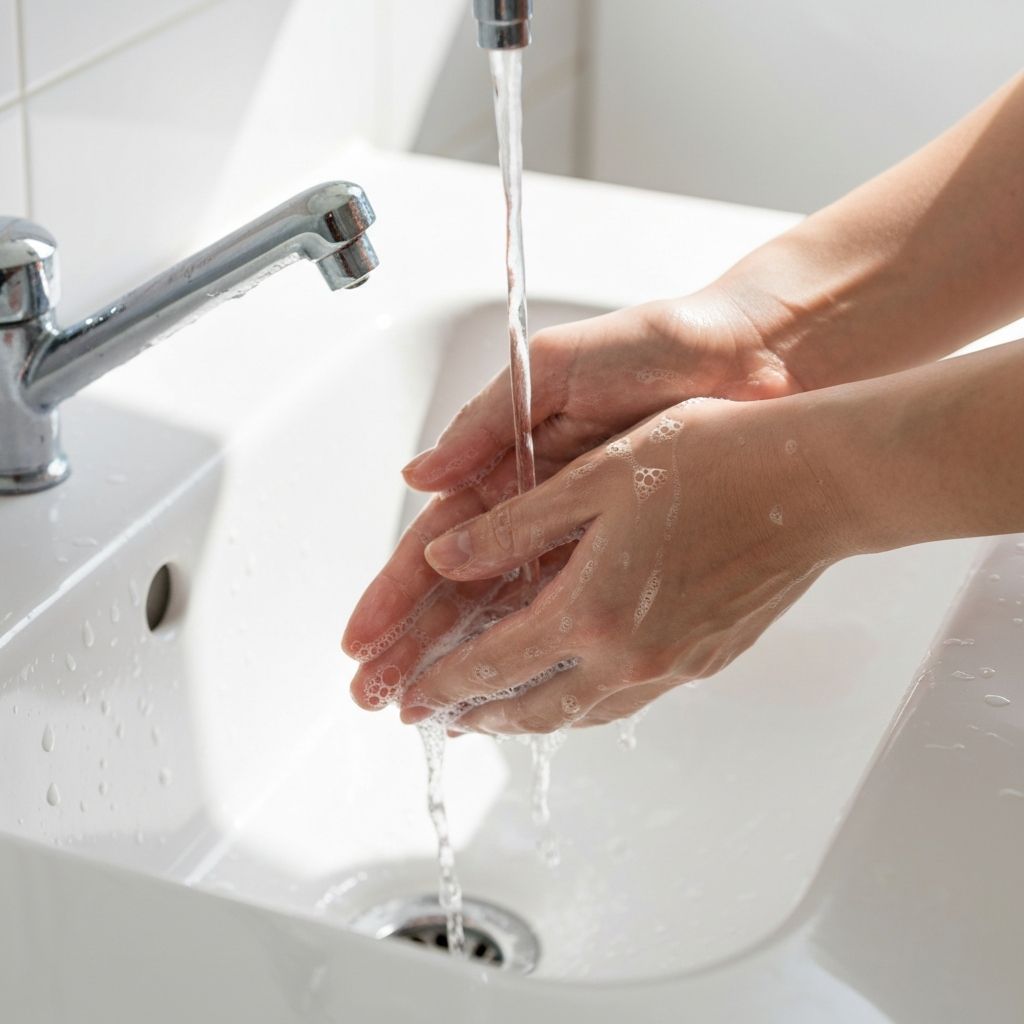
Wash Your Hands
Thoroughly wash your hands with soap and water for at least 20 seconds. This is the most important step for preventing contamination.
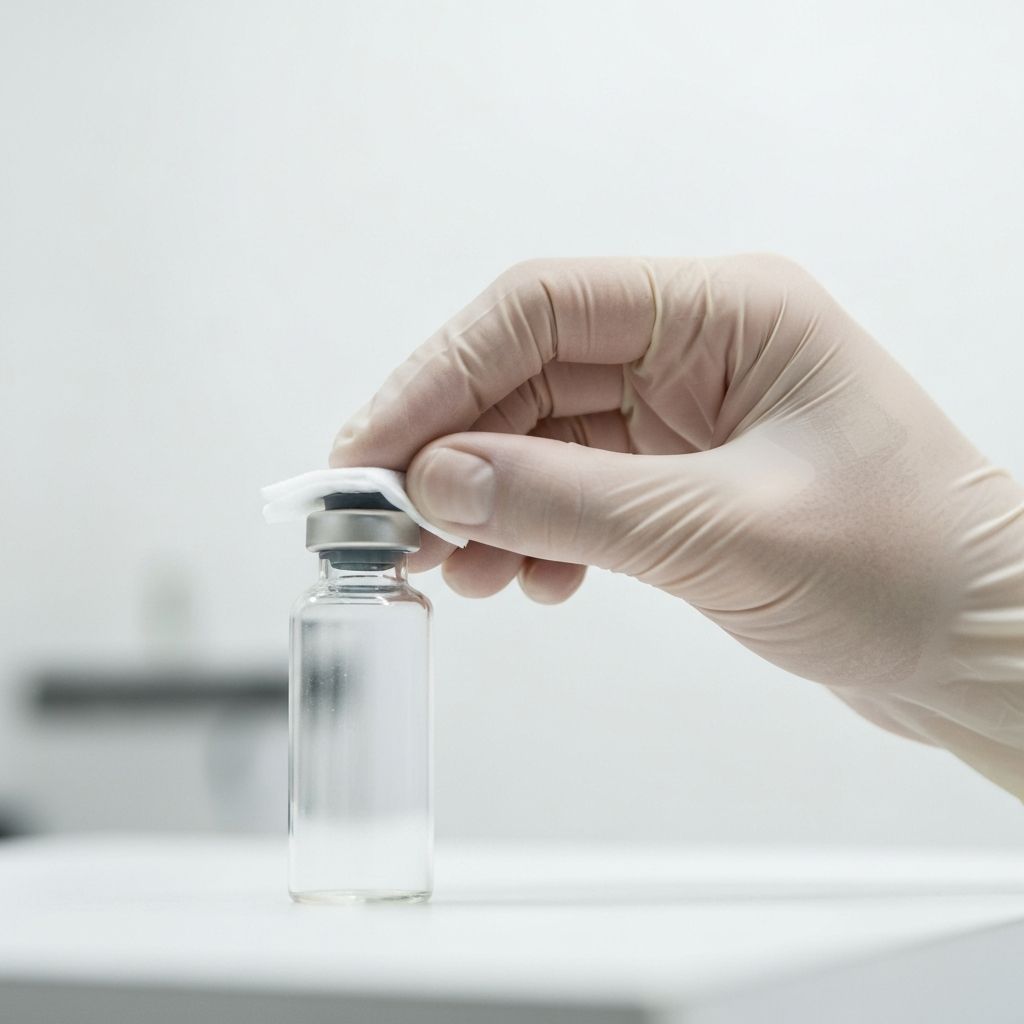
Sanitize the Vial Tops
Wipe the rubber stopper of both the peptide vial and the bacteriostatic water vial with an alcohol swab. Let them air dry for a few seconds.
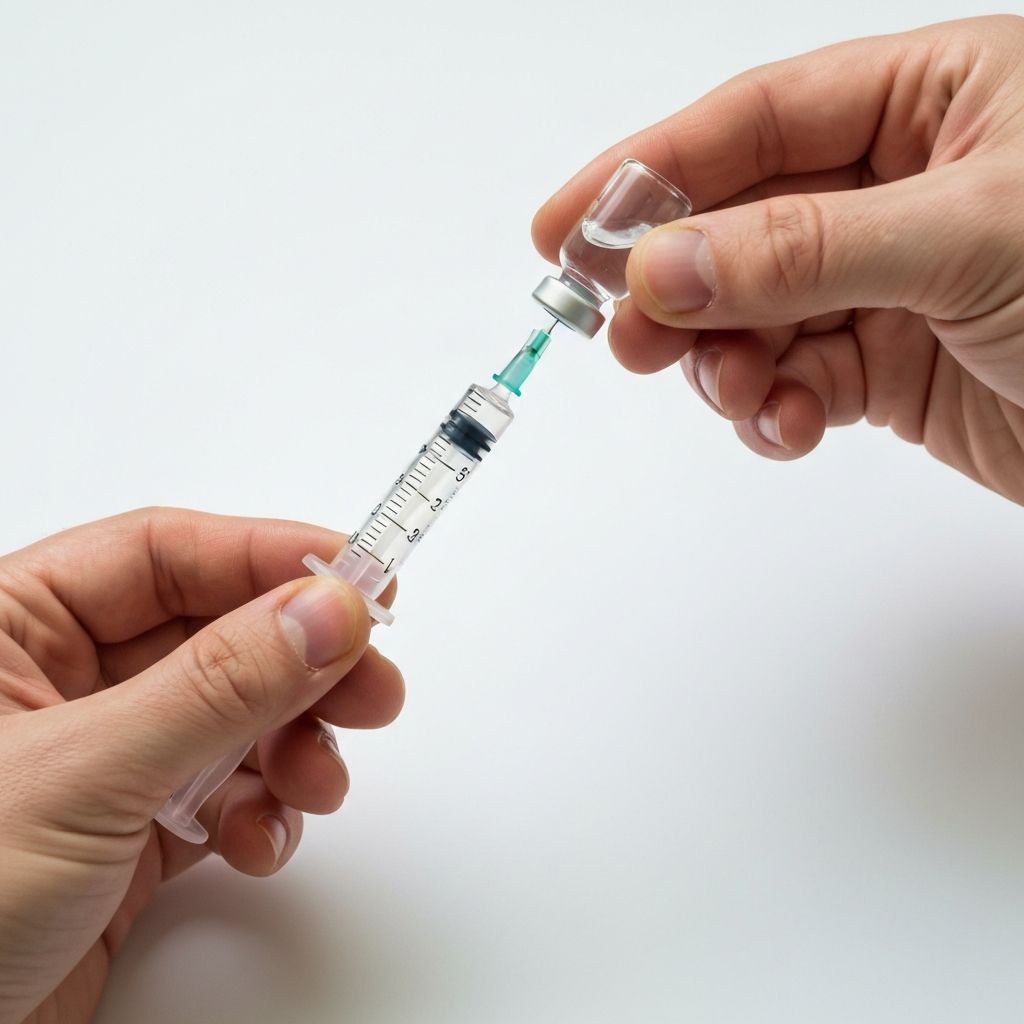
Draw Bacteriostatic Water
Insert the needle into the BAC water vial and draw your desired amount (typically 1mL or 2mL). Pull back slowly to avoid air bubbles.
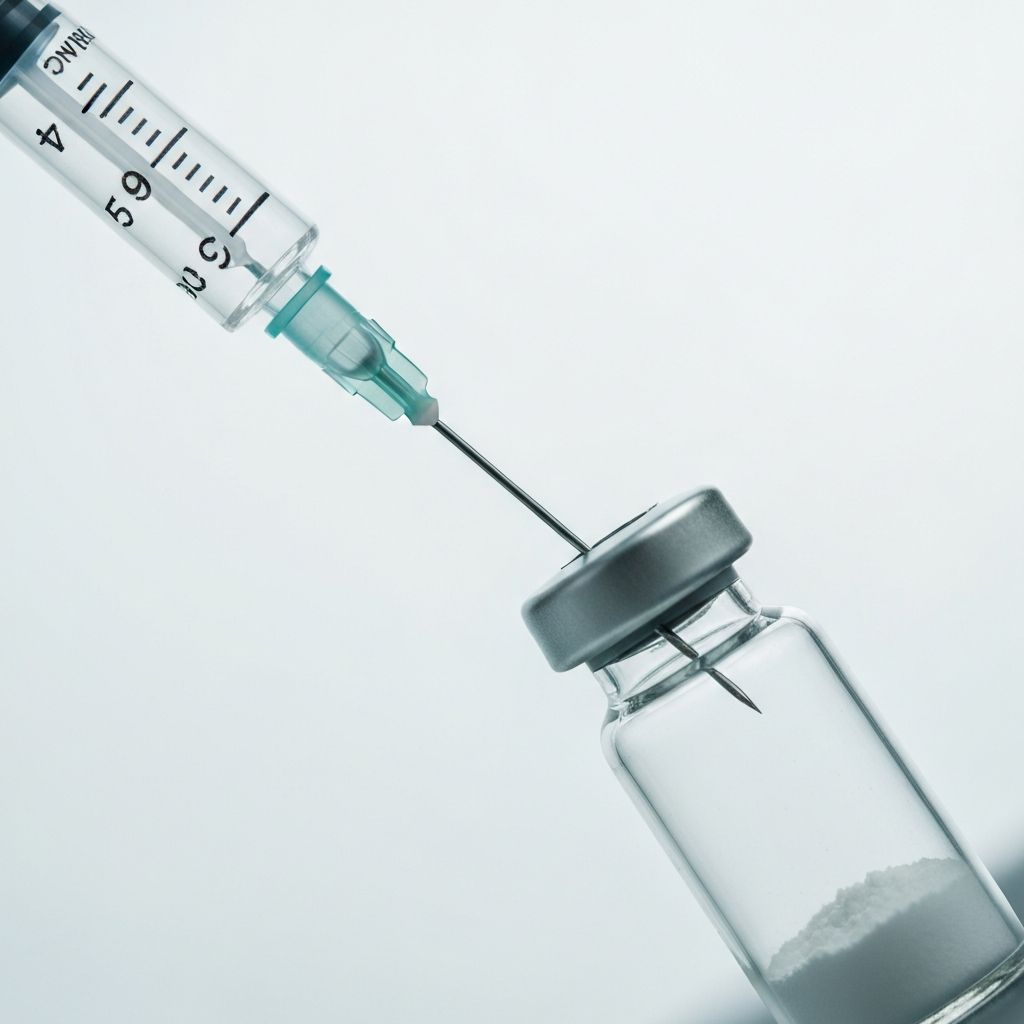
Inject Water into Peptide Vial
Insert the needle into the peptide vial at an angle. Slowly release the water against the glass wall—not directly onto the powder. This prevents damaging the peptide structure.
Never shake the vial. Let gravity and gentle swirling do the work.
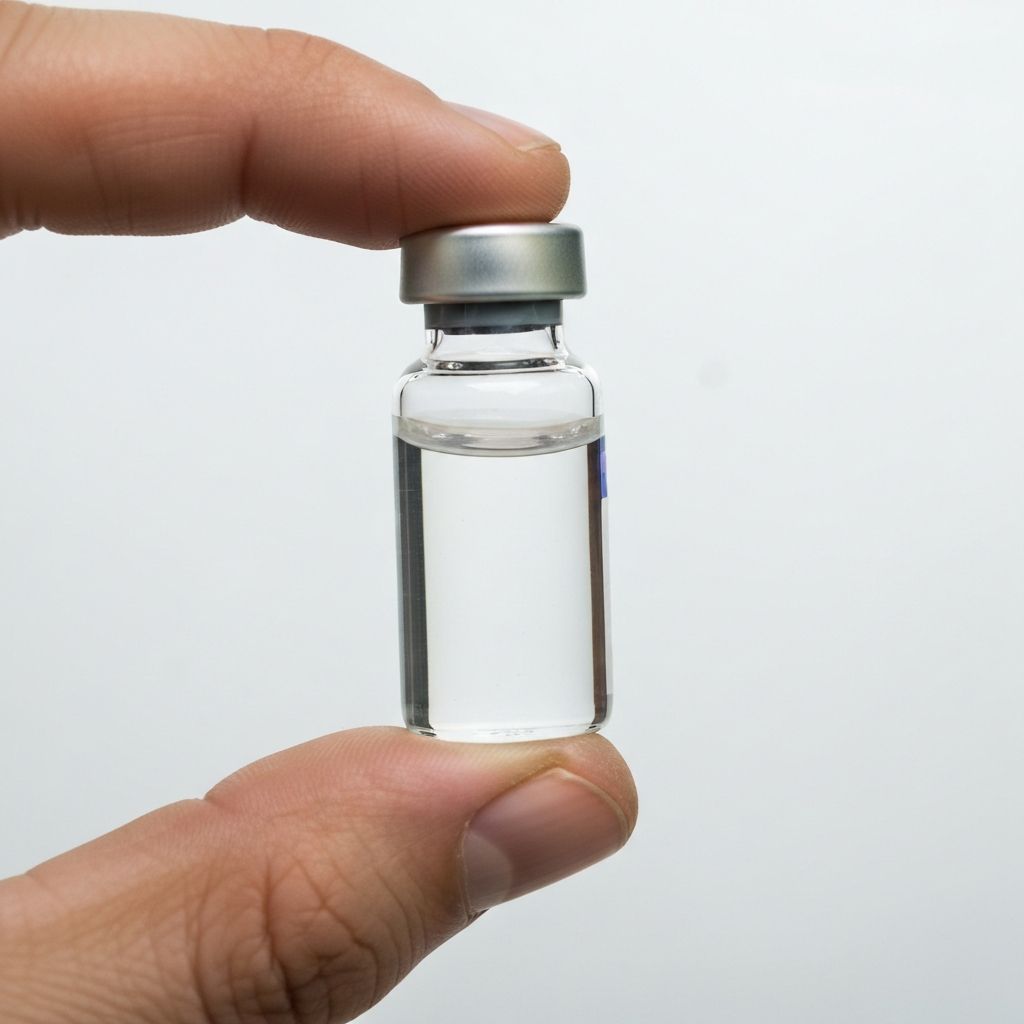
Let It Dissolve
Allow the peptide to dissolve naturally. You may gently swirl the vial if needed, but avoid vigorous shaking. The solution should become completely clear with no particles.
Dosage Calculation Example
Understanding concentration and syringe units
Example Calculation
If you have:
- 5mg peptide vial
- 2mL bacteriostatic water added
Calculate concentration
5mg ÷ 2mL = 2.5mg per mL
Convert to syringe units
1mL = 100 units on an insulin syringe
Determine dose volume
For a 250mcg (0.25mg) dose:
0.25mg ÷ 2.5mg/mL = 0.1mL = 10 units
Storage Guidelines
Proper storage ensures peptide stability
Refrigerate After Mixing
Store reconstituted peptides at 2-8°C (36-46°F) in your refrigerator. Keep away from light and avoid freezing.
Unreconstituted Storage
Lyophilized (powder) peptides can be stored at room temperature short-term, but refrigeration or freezing extends shelf life significantly.
Safety Warnings
Important precautions to follow
- Never reuse needles or syringes — dispose of them properly in a sharps container
- Maintain sterility — contamination can cause serious infections
- Discard if cloudy — properly reconstituted peptides should be clear
- Check expiration dates — never use expired materials
Common Mistakes
What to avoid during reconstitution
Quick Reference
Condensed steps for experienced users
- 1Wash hands thoroughly
- 2Wipe both vial tops with alcohol
- 3Draw BAC water into syringe
- 4Inject slowly against vial wall
- 5Let dissolve (no shaking)
- 6Store in refrigerator (2-8°C)